| Category |
Albums |
Files |
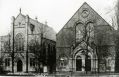
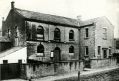
| Historic BuildingsThere have been many special historic buildings in Marple but sadly the majority were demolished in the period after WW2, when people were focused on rebuilding and seemed to place little value on their local history and heritage. Local history books and these galleries preserve the memory of these great buildings and their contents and make you wonder what might have been if they had survived a little longer. |
|
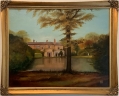
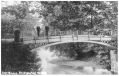
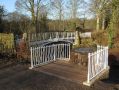
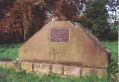
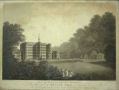
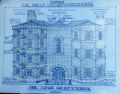
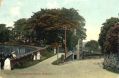
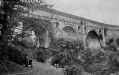
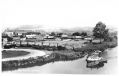
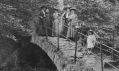
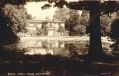
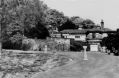
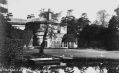
|  | 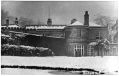 | Brabyns HallBrabyns Hall was built by Doctor Henry Brabin in 1749. The hall and estate were purchased by Nathaniel Wright in 1800 and he erected the historic Iron Bridge in 1813. The estate passed to the Hudson family in 1866 and on the death of Fanny Hudson, in 1941, was purchased by Marple Urban District Council. The estate opened as a park in 1949 and the hall was demolished in 1952. Click to read more about the Brabyns Estate. |
|
4 |
474 |
|
Brabyns Hall & Estate
|
|
|
|
During the Great War Brabyns Hall was used as a Military Hospital. Sadly, plans to turn the Hall into an Art Gallery, Museum, Reference Library or Assembly Hall, as a memorial to the local men who died in the war, were to fail, and it was demolished in 1952. The estate was turned into a public park in 1949 and today is owned by Stockport Metropolitan Council, and is a thriving asset, extensively used and highly valued by the people of Marple.
99 files, last one added on Dec 19, 2023
Album viewed 3444 times
|
|
|
|
|
|
|
|
|
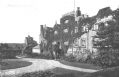
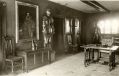
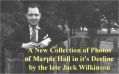
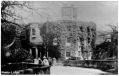
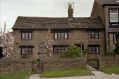
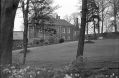
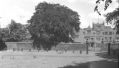
| | 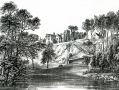 | Marple HallMarple Hall was initially constructed in 1658. Its most famous (infamous?) resident was Judge John Bradshawe, (1602-1659) who presided over the Court of Justice that sentenced Charles I to death. The Bradshawe family continued to live there until it was inherited in 1940 by Christopher Isherwood, who almost immediately passed ownership to his younger brother, Richard. He was ill prepared and financially unable to look after the Hall and when the caretakers retired in 1953 it was left empty and became the target of thieves and vandals. This ultimately led to its demolition in 1959. These galleries show this magnificent home at its best and, sadly, its derelict worst. Click here to read more about Marple Hall.
|
|
4 |
298 |
|
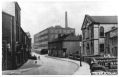
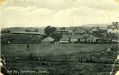
| | 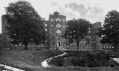 | Mellor MillSamuel Oldknow constructed Mellor Mill in 1790 on the bank of the River Goyt. The main mill building was an imposing structure with a central section six storeys high, 42 feet wide and 210 feet long. In order to supply water to the mill Oldknow literally reshaped the landscape and the Cheshire / Derbyshire border formed by the river. Click here to read more about Oldknow and Mellor Mill. |
|
3 |
81 |
|
| | 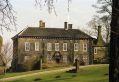 | Listed Buildings ExhibitionIn 1993 Marple Civic Society held an exhibition featuring the Listed Buildings of Marple & District. The first album in this category contains all the photographs that were selected for display in the exhibition. New albums will also be added to include many others taken during the same period. This category is under construction. |
|
1 |
139 |
|
| People and EventsThis category includes photographs that focus on the people of Marple and District and events that have taken place in the area, rather than the location where they were taken. Sometimes it can be an arbitrary decision whether a picture should feature here or alongside others of the same location or theme and we've just tried to do whatever seems right for each individual image. |
|
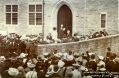
| | 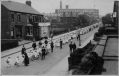 | EventsEvents in Marple are dominated by Marple Carnival, which has been a huge success for many years and has it own album. In addition there have been many other processions, dedications and celebrations, as well as several less enjoyable incidents including fires, floods, explosions and crashes when someone just happened to have a camera at the ready. |
|
117 |
8,654 |
|
|
|
|
|
|
|
|
|
|
|
|
| 117 albums on 15 page(s) |
1 |
|
|
|
|
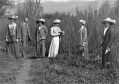
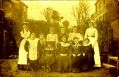
| | 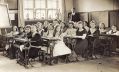 | PeopleWe've got so many pictures of people in a huge variety of different situations that we've had to divide them up into separate albums. We've done this by splitting them loosely into large formal groups in one album and smaller informal groups and individuals in the other. |
|
16 |
975 |
|
| | 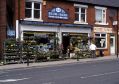 | Marple 2000 - The Millennium GalleriesLocal photographer David Brindley worked on this Lottery funded project with Marple Local History Society for over twelve months during the year 2000. The objective was to create a photographic archive of Marple at the turn of the millennium, the old postcards of tomorrow so to speak. Their efforts culminated in an exhibition in Marple Library during May 2001 that featured shots of people and places in Marple taken during millennium year. We have now been given access to the archives and plan to put them on-line progressively, hopefully enlisting David’s help with the captions. This category is under construction. |
|
5 |
142 |
|
| | 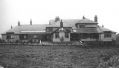 | Marple Children's Orthopaedic Hospital (Treetops)Originally built in 1912 by the Cripples Help Society to give disabled children a holiday, Treetops became a Children's Orthopaedic Hospital in the 1930s. We've included this album of photos from the 1930s under 'People & Events' as it's more about the people who stayed there than the building itself. |
|
1 |
106 |
|
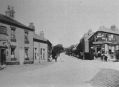
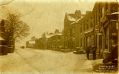
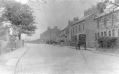
| Buildings and Street ScenesThis is the largest category, cataloging the vast array of buildings and street scenes around Marple and district spanning many years. Some scenes are instantly recognisable today but much has vanished or changed beyond recognition, usually in the name of progress. |
|
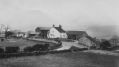
| | 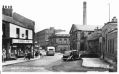 | MarpleThe name of Marple was first mentioned in 1122 but it was the coming of Samuel Oldknow to the district in 1790 that shaped the Marple we know today. Not only did he establish his Mill by the River Goyt, he also sank coalmines, built houses for his workers, made roads, rebuilt the church and was instrumental in the construction of the Peak Forest Canal. |
|
16 |
2,089 |
|
| | 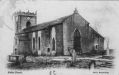 | MellorMellor has long been known to date back to Saxon and Medieval times - the local church of St. Thomas having the oldest-known pulpit in Britain. During the industrial revolution Mellor was a hive of activity led by William Radcliffe. Today it is much quieter but has a thriving parish centre and strong sense of community spirit. |
|
5 |
456 |
|
| | 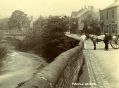 | Marple BridgeMarple Bridge was already well established in 1795, when it was described as "a small village containing about sixty houses." By this time, it had a corn mill, which formerly stood on the west bank of the Goyt, just to the south of the village, and a water powered forge. The bridge and a reconstructed Town Street are now at the heart of the Marple Bridge Conservation Area. |
|
3 |
329 |
|
| | 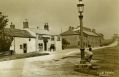 | Hawk GreenHawk Green is an outlying area of Marple, centred around a traditional village green, or recreation ground. There are earlier buildings but most of the housing built up around the Shepley Mill constructed in 1848 on the side of the Macclesfield Canal. The Goyt Mill, constructed in 1905, remains a major landmark in the area today. |
|
2 |
96 |
|
| | 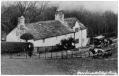 | StrinesThe Strines area is a beautiful part of the world steeped in history and set in the picturesque Goyt River Valley. There are some very old properties in and around Strines dating back many hundreds of years, however the majority of properties were built after the Printworks was established circa 1790. |
|
1 |
129 |
|
| | 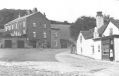 | CompstallCompstall was formerly a mill village, built by George Andrew in the 1820's to house his 800 workers. Most of the original mill cottages and other structures remain unchanged. The waterways that now form Etherow Park were also constructed by Andrew to carry water from the weir, on the river, to turn the mill wheel, which stood where the car park is today. |
|
1 |
129 |
|
| | 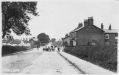 | High LaneIn the 1800s High Lane had large collieries employing the majority of men in the village and with the coming of the Macclesfield Canal in 1831 it formed a key junction with the main road to Buxton. Windlehurst Mill was built on the bank of the canal in 1872 and later came to an unusual end when it was so badly damaged in gales that it had to be demolished. |
|
1 |
77 |
|
| | 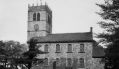 | ChurchesA new series of albums featuring the local churches of Marple and District, including All Saints', Marple; St. Thomas', Mellor; St. Martins, Low Marple; St. Mary's, Marple Bridge and others (this catergory is under reconstruction). |
|
6 |
197 |
|
|
| | 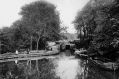 | Canals and LocksThe Peak Forest Canal running through Marple was constructed between 1794 and 1805. The upper section to Bugsworth was complete in 1796 and the lower section to Ashton, including the Grand Aqueduct, was finished in 1800. The locks themselves were not finished until 1804, so a tramway was used to connect the two sections. Click here to read more about the history of the canals. |
|
2 |
472 |
|
| | 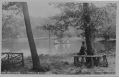 | Roman LakesThe 'Roman Lakes' are not Roman at all but were christened this in Victorian times when they were a huge tourist attraction bringing enormous crowds to Marple, especially on Bank Holidays. The lakes were actually the mill ponds constructed for Oldknow's Mellor Mill in 1790, and although still popular, things are much quieter today. Click here to read more about visitors to Marple in Victorian times. |
|
2 |
231 |
|
| Mystery PhotographsThis category has been created for photos in Marple Local History Society's Archives that are a bit of a mystery. They could be local people or local places and we'd like to give visitors the opportunity to check them out to see if we can confirm why they are in the Society's archives. |
|
2 |
75 |
|
| 15,149 files in 192 albums and 23 categories with 176 comments viewed 5,400,045 times |